JD Kirk on the Bestseller Experiment: Libraries Change Lives

JD Kirk (real name Barry Hutchison) is a phenomenal writer, having written over 200 books in a little over ten years. Many of these were children’s books, which would be shorter than a regular novel, but they all have a beginning, middle and end and anyone who tells you writing kids’ books is easy is a liar. You learn how to write by doing it, and you’ll learn even more by finishing something, and if you finish over two hundred of the bloody things you’ll learn an awful lot about story, character, structure, theme and how they’re all intertwined. It’s that ten thousand hours theory on steroids. Barry was a real treat to talk with and his tales of naysayer teachers, and getting inspired by librarians and the legendary Iain Banks will hopefully inspire you, too…

In the extended version, me and Mr D discuss the secret to writing crime fiction (actually, a secret that applies to any genre), dealing with publishers and something called The Unicorn Compromise. To hear this and hundreds of hours of bonus material you can support the podcast here.

Andrea Dunlop on the Bestseller Experiment and Should Writers Ever Just… Give up?

This week’s podcast guest is Andrea Dunlop who, like me, worked in traditional publishing before becoming an author, and that allowed both of us to go into publication with our eyes open. We both knew it wouldn’t all be big advances and lavish launch parties. Many books fail to sell to their full potential, and most authors don’t have a career beyond their third book.

If traditional publishing is so bleak, then why perser… parse… keep going? I think it all depends on your attitude to success and your goals as a writer. When we tell you that publishing can be slow, brutal and the money is crap, we mean it and the truth is there is virtually nothing you can do about it. Likewise for self publishing: you have more control over the finished book, but selling it means having the budget to pay for ads and few authors have the spare cash to do it properly.

Andrea talks about writing being a ‘second reality’ and that actually sitting down and putting words to paper — the real writing — is what makes her happy. And I’m the same. I suspect you are, too. Writers have to love the process. And yes, that includes all the days where it doesn’t quite work, but there’s nothing like sitting down and creating something out of nothing. It’s magic. Love the process. Write as often as you can. The other stuff — deals, money, launches, events, signings — that might happen, or it might not, but they can never take your words away from you.

Other highlights of this episode: I have a pop at the pisspoor wording of Bookbub’s Facebook ads (which they’ve since reworded) and Mr D has a wonderful rant about book pricing. And in the extended version for podcast supporters I talk about recurring themes and how they can help us as writers. You can listen to that by supporting the podcast here.

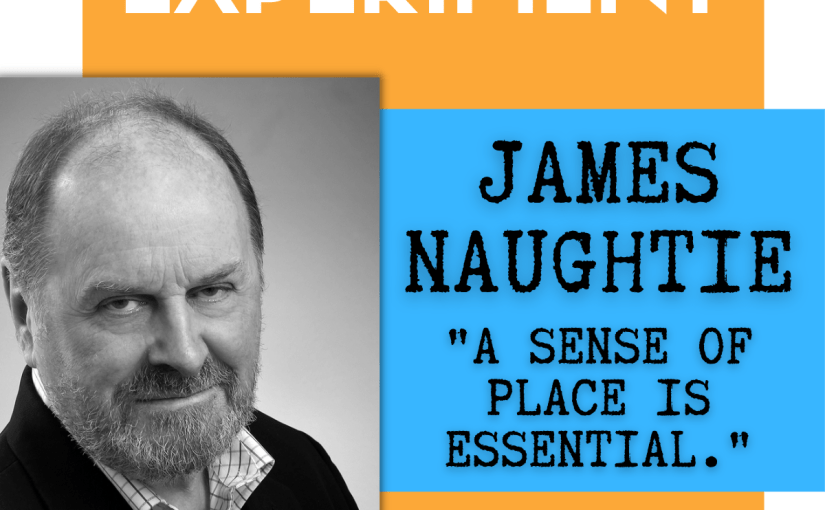
James Naughtie on the Bestseller Experiment and Bookshelves as Shrines

Back when I was a sales rep for Headline publishing, I would drive all over the south east of England from my home in Epsom, Surrey. I decided that if I was going to be stuck in a car for much of the day, then I would use that time to fill my brain with some good nutritious listening, which meant a lot of Radio 4, including In Our Time with Melvyn Bragg and Women’s Hour. But the day almost always started with the Today programme and so many of my early morning traffic jams were in the company of one of its presenters James Naughtie. So it was a particular delight to be offered the chance to interview him for the podcast. Of course, whenever I’m interviewing a journalist I worry that I’ll fluff if and look like an amateur, but James was great and put me at my ease right away. It’s a fun interview and James’s Will Flemyng spy thrillers are from all accounts proper page-turners.

Later in the podcast, inspired by my chat with James about books as treasured things, me and Mr D discuss how bookshelves are like carefully arranged shrines with sacred objects (books!) from significant moments in our lives. I recalled buying a copy of David Selzer’s The Omen in a second hand English language bookshop while I was holiday in Spain when I was about 11-years-old. I can’t tell you how many times I read and re-read this, but I loved it, totally falling for the (fake) quotes from Revelations. I’m pretty sure this was the first horror novel I read (unless you count Jaws, which I probably should) and it sparked a love of the genre that’s never left me. Just holding it on my hands takes me back to that holiday and happily reading in the shade… What was the first horror novel you ever read? Let me know in the comments below…

All together now… “Sanguis, bibimus!”

Here’s this week’s podcast for you to enjoy. In the extended edition I give all sorts of tips for building characters. If you want to hear that, then become a Chart Topper supporter of the podcast here.

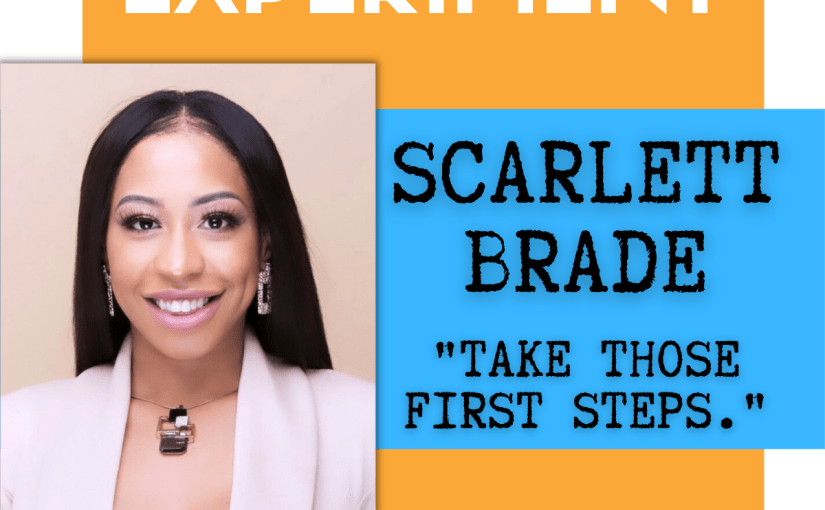
Scarlett Brade on the Bestseller Experiment | Can You Be Too Young to Write a Novel?

I first heard Scarlett Brade on Nadine Matheson’s excellent podcast The Conversation and immediately got in touch to see if she would come on our podcast. There’s something brilliant about her journey from a six-year-old girl demanding that she’s old enough to read the first Harry Potter, to self-publishing at 23, to having a hit with her thriller The Hive.

I also go on a bit about ‘living a little’ before writing a novel. Apologies if I come across as a crusty old git, but that’s mostly me wincing when I look back at the plays, sketches and half-arsed attempts at novels that I wrote in my youth. I could string a sentence together (just about), but I had nothing to say because I hadn’t really lived yet. It wasn’t till I hit my late 20s/early 30s that I’d experienced love, rejection, grief and existential angst that I felt there was enough gas in the tank to actually write these things convincingly. Of course, your own mileage will vary. I had a perfectly happy childhood with very little trauma, so of course I was a guileless goon (still am to some extent). Anyway, Scarlett is amazing and you’ll definitely be inspired by this week’s episode.

And in the extended version for Academy members and podcast Patrons, me and Mr D discuss if it’s essential to be an author on social media, life pivot moments, the importance of friendship groups and mentors, how to generate hooks and high concepts and much more! You can get all this extra stuff and hundreds of hours of exclusive material by supporting the podcast here.

Sue Watson on the Bestseller Experiment | Do Writers Get Second Acts in their Careers?

Once a writer gets published there’s always a concern that either they’re a flash in the pan, or that in order to be successful they’ll have to write the same thing again and again to feed the publishing marketing machine until they’re driven mad and end up curled up in a ball under their desk, eyes twitching as they wonder how they’re going to make something feel fresh and original for the eighteenth time. Or… you can do what Sue Watson did. There’s a great moment in this week’s podcast where she admits that she was tired of trying to be funny and so switched from romcoms to murdering people for fun and profit (in fiction, I hasten to add). She also hints at a third act in her writing career too.

As always, this is available on all the usual podcast providers, and there’s an extended version where me and Mr D discuss how publishers define genres, when things don’t work out with an agent, self confidence, digital first publishers, success in the US, pen names, and much more! You can get your mitts on that by supporting the podcast here.

Jessie Keane on the Bestseller Experiment (and I confess my most humiliating moments)…

I think Jessie Keane is the first guest on the podcast with Romany heritage and she’s definitely the first to tell us that her success as a writer was foretold by her Gran! That sense of destiny is what a lot of us writers lack. We’re all too eager to tell stories of chosen ones who are fated to save the world or achieve greatness, but we don’t apply it to ourselves. Jessie had plenty of opportunity to give up and walk away (ten romance novels, all rejected!), but with that prophecy ringing in her ears she kept going and each of her thrillers have been Sunday Times bestsellers and she’s sold six and half million copies. So be the hero of your own life and fulfil your destiny!

At the other end of the scale, me and Mr D reveal our most humiliating moments. These were just the ones I could recall in the moment. I could fill a whole show with the others if I applied myself. Instead, I’m going to pull a sword from a stone and be a chosen one for the day…

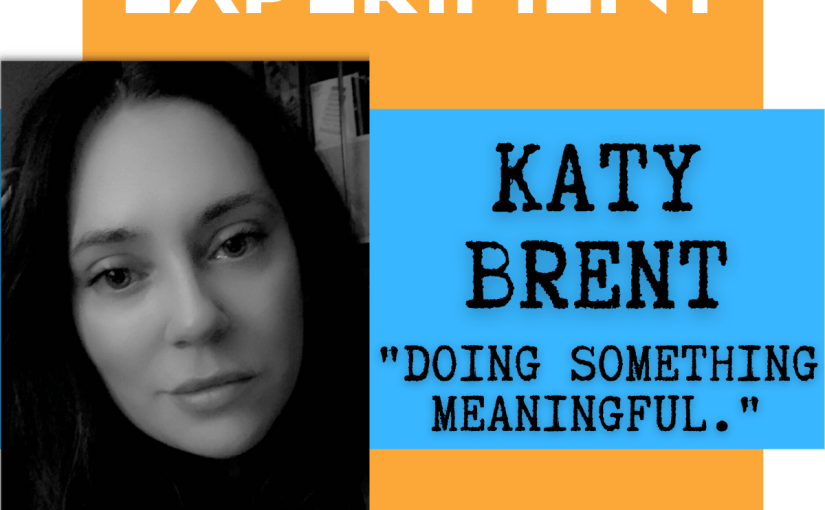
Katy Brent on getting away with murder…

Katy Brent’s debut novel How to Kill Men and Get Away With It is a very funny book that tackles some very serious issues. She tells me how it evolved from an almost flippant idea into a dark satire. We also discuss provocative titles, tone, escaping into writing and moving from journalism to fiction where she finally felt that her writing could make a difference…

UNWELCOME spoiler special on the Bestseller Experiment

In case you missed it, here’s last night’s UNWELCOME spoiler special where I reveal just what I was thinking with that ending, and we also hear from actor and second unit director Rick Warden, cinematographer Hamish Doyne-Ditmas, and VFX supervisor Paddy Eason who shared some terrific behind the scenes footage. Enjoy, but be warned… there is repeated spurting of blood… repeated! Spurting!

Amita Parikh on the Bestseller Experiment

There’s a danger that writers can get stuck in our little worlds. I mean, most of use are stuck on our bums for most of the day. Getting off your backside is not only good for your health, both mental and physical, but you never know what might be around the corner. I really enjoyed chatting with Amita Parikh on the podcast, and loved the idea that had she not been lost in London and asked for directions, then her amazing debut novel The Circus Train might never have existed. She’s good fun, not least when she talks about how she coped with rejection…

JS Monroe on the Bestseller Experiment

For me, the most intriguing part of this week’s Bestseller Experiment interview with JS (Jon) Monroe is when he talks about the development of his novel Dead Spy Running into a movie written by Stephen Gaghan (Traffic, Syriana) and directed by McG… But if you’re thinking, ‘Hang on, I’ve not seen that movie,’ then you’re not alone. After spending five years and ten million dollars on developing the film, Warner Bros decided they weren’t going to make it. Such is the insanity of Hollywood, this is not an uncommon story. Jon takes it all with good humour and is generous with advice for writers when it comes to the rest of his extraordinary career.

By the way, check out the difference in running time between this regular episode and the extended episode that we record for our Patrons and Academates. There’s an extra 42 minutes of me and Mr D discussing unique book launches, composite characters, self belief and rejection, ending consultants, the benefits of a Marmite novel, and why you should want to have your books burned and banned and much more! You can get all this and hundreds of hours of extra material when you support the podcast as a Chart Topper Supporter on Patreon here, or join the Bestseller Academy.